

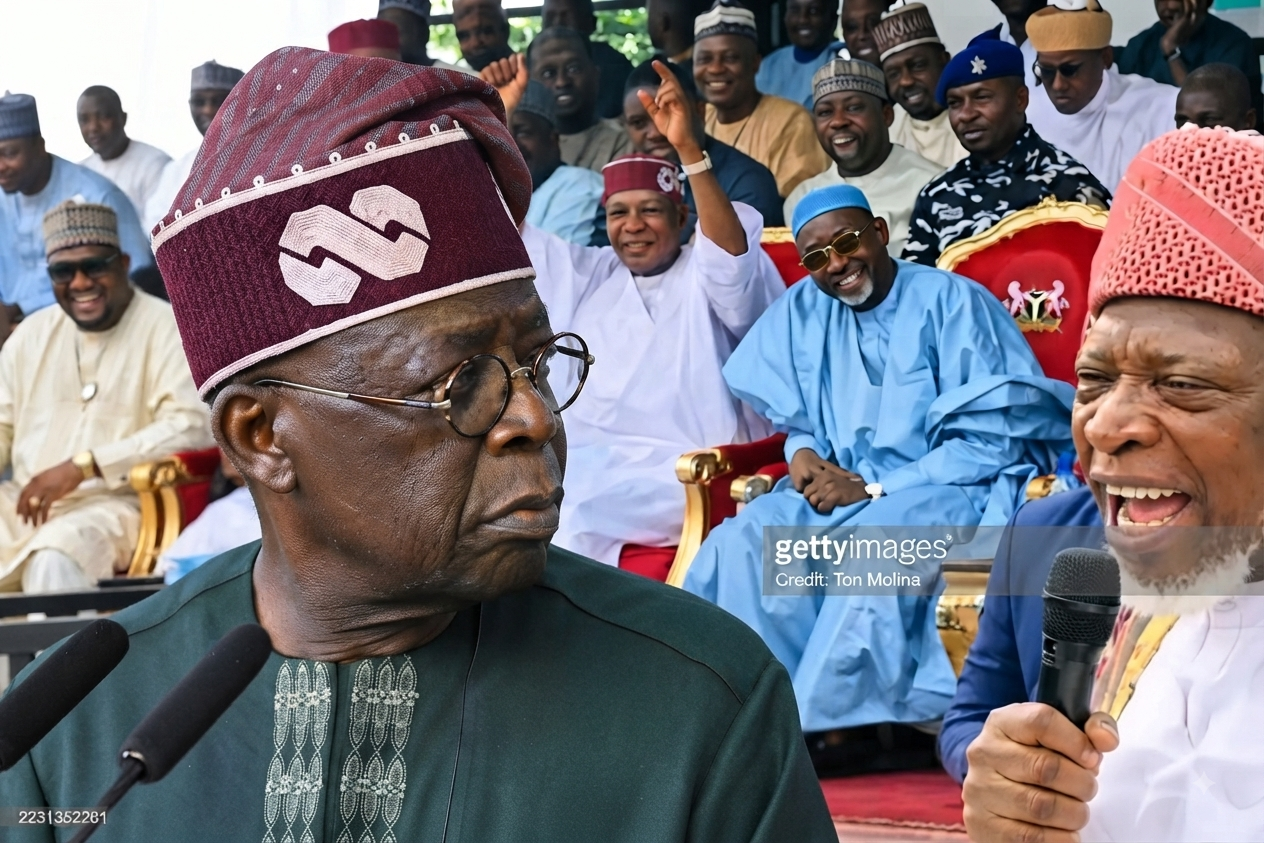
The recent controversial remarks attributed to Sheikh Sani Yahaya Jingir at a political gathering have reignited concerns over the growing politicisation of religion in Nigeria ahead of the 2027 general elections.
Jingir, a prominent Islamic cleric based in Jos, reportedly referred to Christians as “infidels” while speaking in support of the Muslim-Muslim political arrangement.
Such rhetoric, particularly when delivered on a political platform, is deeply concerning because it risks portraying fellow citizens through the narrow lens of religious identity and further deepening Nigeria’s existing religious divisions.
The bigger concern, however, is the apparent silence of the Presidency and political leaders.
Where are the voices of the President and the governors who should be defending Nigeria’s constitutional commitment to equality and religious freedom?
Political leaders should not apply different standards depending on who makes a controversial statement or whose political interests are involved.
If inflammatory rhetoric is condemned when it comes from one religious community, it should equally be condemned when it comes from another.
This is particularly important given the speed with which some political actors have criticised Christian and Catholic clerics for speaking against government policies and poor governance.
Nigerians are therefore justified in asking why criticism of government by a Catholic cleric can attract swift political condemnation, while divisive remarks attributed to an influential Muslim cleric appear to receive comparatively little official response.
The issue is not about restricting religious freedom. Every Nigerian has the right to practise and express his or her faith.
The issue is whether religious influence should be used to divide citizens or promote political and religious superiority.
Nigeria has suffered enough from religious tension and identity politics.
As the country approaches the 2027 elections, politicians and religious leaders should be working to strengthen national unity rather than deepen the fault lines between Muslims and Christians.
The Presidency and state governors must therefore speak clearly and consistently.
They should condemn divisive rhetoric irrespective of its source and reaffirm that every Nigerian Muslim or Christian is an equal citizen under the Constitution.
The 2027 elections should be about competence, accountability, security, economic development and good governance, not a contest between religious identities.
Nigeria cannot afford selective outrage or double standards on religious matters.
If divisive rhetoric is wrong when it comes from one side, it must be wrong when it comes from the other.
The Presidency and governors must demonstrate that the Nigerian Constitution is greater than political expediency.
