

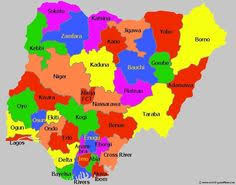
Nigeria’s 2027 political season officially enters a critical phase today, August 19, 2026, with the commencement of campaigns for the Presidential and National Assembly elections. The Independent National Electoral Commission has fixed January 16, 2027, for those elections, while campaigns for the Governorship and State Houses of Assembly elections are scheduled to begin on September 9, with voting set for February 6, 2027. The campaign season should therefore begin a serious national conversation about the country’s future, rather than another cycle of rallies, insults and personality attacks.
The major political parties, including the All Progressives Congress, Peoples Democratic Party, Labour Party, African Democratic Congress, New Nigeria Peoples Party, All Progressives Grand Alliance, Social Democratic Party and others, now have an opportunity to convince Nigerians that they possess the competence, experience and practical blueprints required to govern a country facing complex economic, security and social challenges. Nigerians deserve clear answers about how each party intends to improve living standards and strengthen the institutions of government.
The APC, as the governing party, has a particular responsibility to defend its record with evidence while explaining what has worked, what has not worked and what it intends to do differently if returned to power. Its campaign should provide measurable plans for tackling inflation, unemployment, economic instability, declining purchasing power, insecurity, infrastructure deficits and the high cost of doing business.
The PDP also faces a demanding task because of its long experience in federal government. It cannot rely solely on criticism of the incumbent administration. Nigerians will want to know what lessons the party has learnt from its years in power and what specific reforms it would introduce if given another opportunity. Its campaign should therefore focus on economic recovery, institutional reform, security, employment, infrastructure and accountable governance.
The Labour Party, which attracted significant national attention during the 2023 election through its reform message and strong youth support, must demonstrate that political enthusiasm can translate into a coherent programme for government. Similarly, the ADC and emerging opposition coalitions must show that their alliances represent more than an arrangement for winning elections. The NNPP, APGA, SDP and other parties should also offer realistic and innovative alternatives instead of reducing the contest to personalities and regional calculations.
The central question for every candidate should be straightforward: what exactly will you do differently to improve the lives of Nigerians? On unemployment, candidates should identify the sectors capable of generating jobs, explain how investment will be attracted, outline the incentives available to businesses and show how young people will acquire relevant skills. They should provide realistic targets, timelines and financing mechanisms instead of making broad promises.
Inflation and economic instability also demand detailed solutions. Nigerians need to hear how candidates intend to increase domestic production, strengthen food security, reduce transportation and logistics costs, improve supply chains and create an environment where businesses can operate competitively. They should also explain how they intend to manage public debt, strengthen government revenue, maintain fiscal discipline and attract productive investment without imposing policies that further weaken businesses and households.
Security must remain at the centre of the national debate. Candidates should present practical strategies for confronting terrorism, banditry, kidnapping, communal violence, oil theft and other forms of criminality. Their plans should address intelligence gathering, policing, border security, technology, inter agency coordination, judicial effectiveness and the welfare and professionalism of security personnel.
Infrastructure should also move from campaign rhetoric to measurable commitments. Nigerians need functional roads, reliable electricity, efficient transportation, water infrastructure, digital connectivity and modern public facilities. Candidates should identify priority projects, explain how they will be financed and demonstrate how they will prevent corruption, waste and abandonment. The same principle should apply to education, healthcare, agriculture, industrialisation, technology and energy.
The fight against corruption must equally move beyond political accusations. Parties frequently accuse opponents of corruption while in opposition, yet allegations have continued under successive administrations. Candidates should therefore explain how they will strengthen procurement systems, improve transparency, enforce asset declaration requirements, protect whistleblowers, strengthen anti corruption institutions and ensure effective legislative and public oversight of government expenditure.
Most importantly, politicians must resist the politics of tribalism, nepotism and religious division. Nigeria’s ethnic, cultural and religious diversity should remain a national strength rather than a tool for political manipulation. Voters should judge candidates primarily by competence, character, experience, leadership capacity and the quality of their policies. Deliberately exploiting ethnic or religious sentiments may deliver short term political gains, but it can deepen divisions and make effective governance more difficult.
The electorate also has an important responsibility. Nigerians should demand evidence rather than emotional persuasion. Candidates who make ambitious promises without explaining how they will finance them should face serious scrutiny. Political debates should examine priorities, timelines, implementation strategies and measurable outcomes. Journalists, civil society organisations, universities, professional bodies and other stakeholders should interrogate party manifestos and help citizens compare competing programmes.
The 2027 election should ultimately become a contest of blueprints, competence and measurable solutions. Presidential and governorship candidates should present comprehensive development plans covering employment, inflation, economic growth, security, infrastructure, education, healthcare, agriculture, industrialisation, energy, technology, public sector reform and anti corruption. The electorate deserves to know not only what politicians intend to do, but how they will do it, how much it will cost and how citizens will measure their performance.
The 2027 campaign should therefore become a marketplace of ideas rather than a battlefield of insults; a contest of policies rather than personalities; a competition based on competence rather than ethnicity; and a debate about Nigeria’s future rather than religious manipulation. Politicians have spent decades telling Nigerians who their opponents are. This time, Nigerians should demand that they explain who they are, what they can do, how they will do it, how much it will cost and how they will be held accountable. That is the standard Nigeria deserves.
Sani Michael Omakoji is a Public Affairs Analyst on National and Trending Issues.
