

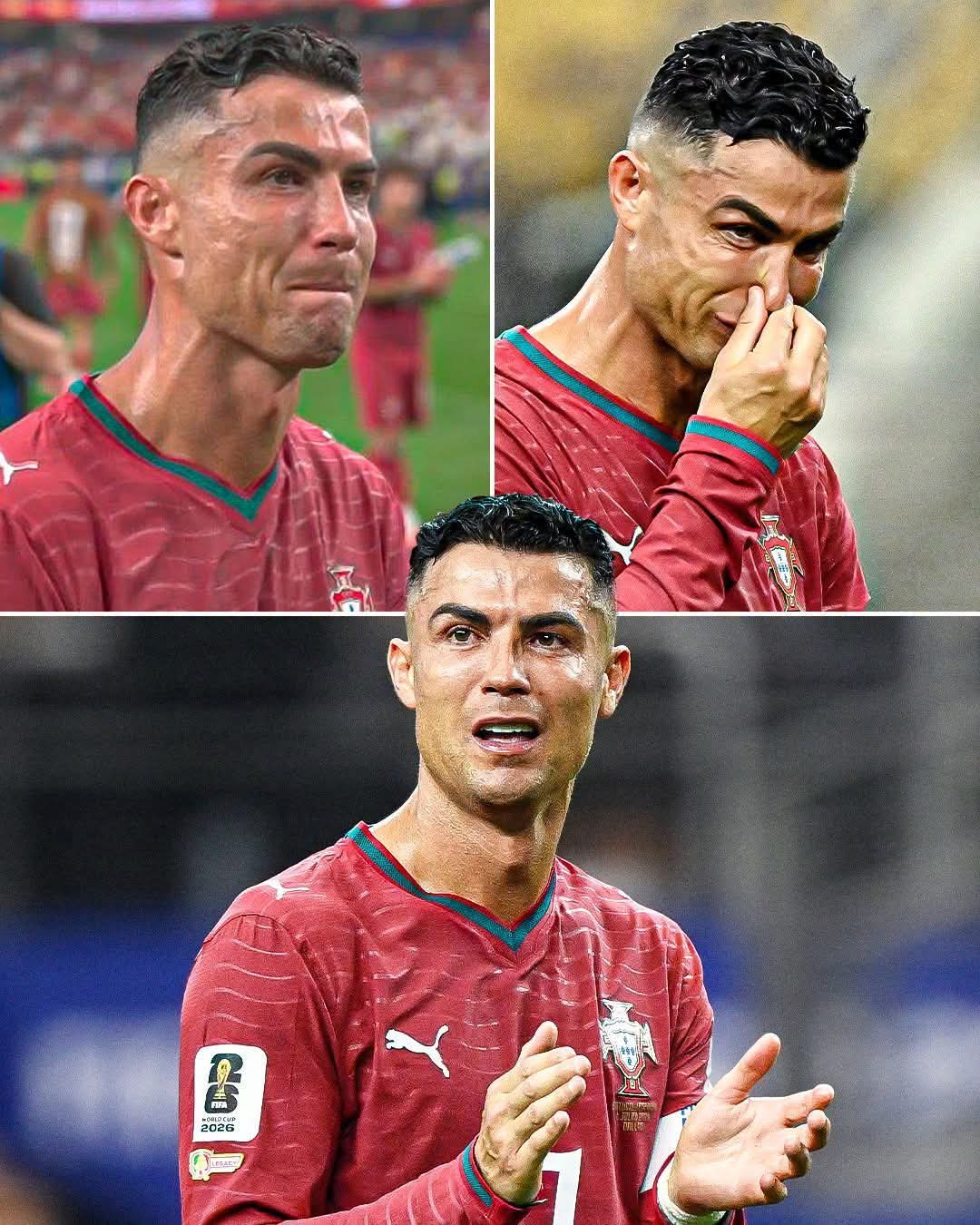
There is no doubt that Portugal possesses one of the most talented squads in world football. With world-class players across every department and the continued presence of the legendary , Portugal had every reason to believe they could challenge seriously for the 2026 FIFA World Cup.
However, despite the abundance of talent at his disposal, head coach adopted an overly conservative approach throughout the tournament. From the difficult group stage to the knockout rounds, Portugal often looked cautious, predictable, and far from the attacking side many expected.
One of the biggest concerns throughout the competition was Martínez’s tactical approach. His decisions, both in selecting the starting lineup and making substitutions, frequently raised questions among football fans and analysts. A team blessed with so much creativity and attacking quality should have played with greater freedom, intensity, and purpose.
When a team has a player of Cristiano Ronaldo’s quality and experience, it is only logical to build a tactical system that maximizes his strengths. Instead, the opposite appeared to happen. Portugal often lacked a clear attacking pattern, leaving Ronaldo isolated for long periods. On several occasions, he was forced to drop deep into midfield just to receive possession, reducing his effectiveness in and around the penalty are, where he has built his reputation as one of football’s greatest goalscorers.
For this reason, it is unfair to place the blame for Portugal’s shortcomings solely on Ronaldo. Regardless of how one judges his performances, his achievements remain extraordinary. He became the first player in football history to score in six consecutive FIFA World Cup tournaments, a milestone that may stand for many years. Such a record deserves respect rather than unfair criticism.
It is also worth remembering Portugal’s football journey before Ronaldo emerged on the international stage. While Portugal had produced outstanding players in previous generations, it was during Ronaldo’s era that the country became a consistent force in world football. Under his leadership, Portugal won its first major international trophies and established itself among the elite nations in global football. His contribution to Portuguese football extends far beyond goals and individual awards.
With Roberto Martínez now stepping down as Portugal’s head coach, it may be the right time for a fresh direction. Sometimes, a talented generation simply needs a different voice, a different philosophy, and a more ambitious tactical identity. His commitment to the national team cannot be questioned, but ultimately, his best proved insufficient for a squad blessed with such exceptional talent.
Finally, concerns about the tournament draw will continue to generate debate among football supporters. Many fans believe some traditional football powers were placed in significantly more demanding groups, while others appeared to enjoy comparatively easier paths. Such perceptions inevitably raise questions about competitive balance and fairness. For the credibility of the FIFA World Cup, every participating nation should have confidence that the draw is transparent, impartial, and free from any appearance of favoritism.
Football remains the world’s most popular sport because of its unpredictability and fairness. Protecting those principles should always remain a priority for . Every nation deserves an equal opportunity to compete on the biggest stage, and the integrity of the competition must never be open to unnecessary suspicion.
Sani Michael Omakoji,
A Public Affairs Commentator on trending issues.
